
companies conduct b2b market research
Understanding how often companies should conduct B2B market research is vital for maintaining a competitive edge in today’s fast-paced business environment. B2B markets are characterized by longer sales cycles, complex decision-making processes, and rapidly changing industry trends. To stay ahead, companies must continuously gather and analyze data about their clients, competitors, and overall market dynamics. Regular B2B market research allows organizations to adapt their strategies effectively, identify emerging opportunities, and make informed decisions that drive sustainable growth.
Frequency in B2B market research largely depends on the nature of the industry and the pace at which market conditions change. For rapidly evolving sectors, conducting research quarterly or biannually may be necessary to keep strategies relevant and responsive. In contrast, industries with more stable demand patterns might benefit from annual research updates. Regardless of the frequency, the key is to ensure that the insights collected are timely and actionable. When companies integrate regular B2B market research into their operational processes, they are better positioned to anticipate customer needs, refine product offerings, and optimize marketing approaches.
Another factor influencing how often companies should conduct b2b market research is the type of decisions being made. Strategic decisions such as entering a new market, launching a new product, or restructuring a sales strategy require comprehensive and up-to-date insights. In these cases, companies may conduct targeted research initiatives alongside their regular market monitoring to ensure they have a clear understanding of opportunities and risks. By maintaining a continuous feedback loop through frequent B2B market research, businesses reduce uncertainty and enhance their ability to respond proactively to shifting market conditions.
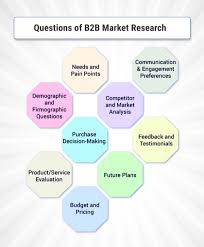
How often should companies conduct b2b market research?
Data analytics plays a crucial role in determining the appropriate frequency of B2B market research. Through predictive modeling, trend analysis, and real-time data collection, organizations can identify when market conditions are changing significantly. These tools allow companies to conduct research on a rolling basis, focusing on areas that require immediate attention rather than waiting for a fixed schedule. This approach not only improves efficiency but also ensures that resources are allocated to gathering insights that provide the most value. As a result, companies can make more informed decisions without overextending their research efforts unnecessarily.
Finally, staying in tune with competitors and customer preferences is a continuous requirement in the B2B sector. Conducting B2B market research at regular intervals helps organizations maintain a clear understanding of competitor strategies, pricing changes, and emerging customer demands. Companies that treat market research as a one-time activity risk falling behind, as outdated insights can lead to misguided strategies and missed opportunities. By establishing a structured schedule for research while remaining flexible to respond to unforeseen market shifts, businesses can strengthen their decision-making processes and improve overall performance.
In conclusion, the question of how often companies should conduct B2B market research does not have a one-size-fits-all answer. Frequency should be guided by industry dynamics, business objectives, and market volatility. The key is to integrate ongoing research into organizational practices, ensuring that insights remain relevant and actionable. Companies that embrace regular and data-driven B2B market research are better equipped to make strategic decisions, enhance customer satisfaction, and achieve long-term growth in a competitive landscape.
