
undue hardship
Understanding undue hardship in the context of disability accommodation is essential for both employers and employees. The term refers to significant difficulty or expense an employer may face when trying to provide accommodations for a worker with a disability. Not every request for accommodation automatically obliges the employer; they are only required to make adjustments that do not cause excessive financial or operational strain. This balance ensures that employees receive the support they need without placing unreasonable demands on the business.
Employers are legally required to consider all reasonable accommodations before claiming Undue hardship. Accommodations may include modifying workstations, adjusting schedules, or providing specialized equipment to enable an employee to perform essential job duties. These adjustments are crucial in creating an inclusive workplace where employees with disabilities can thrive. Failing to provide reasonable accommodations without valid hardship justification can expose employers to legal claims and reputational damage.
The assessment of undue hardship involves multiple factors. These include the size and financial resources of the organization, the nature of the accommodation requested, and the impact on other employees. For instance, a small local business may struggle more than a large corporation to implement certain expensive accommodations. Courts and labor boards often evaluate hardship claims carefully, weighing the employer’s capacity against the employee’s needs.
A practical example can be seen in industries like construction and home services, where companies such as Barrie Roofing & Repair Services must consider safety and operational efficiency. If an employee requires a modified schedule due to a disability, the employer must determine if adjusting workflows is feasible without compromising project deadlines or quality. The goal is to find a workable solution that respects both the employee’s rights and the company’s obligations to clients and staff.
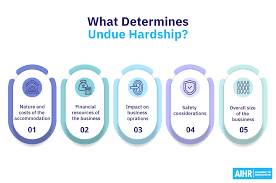
What is undue hardship in disability accommodation?
For those returning to work after disability leave, seeking proper guidance is important. Returning to work after disability leave legal advice can help employees understand their rights to accommodations and clarify what constitutes undue hardship for the employer. Legal counsel may also assist in negotiating flexible arrangements while ensuring compliance with Canadian human rights legislation. For instance, htwlaw.ca provides resources and support for employees navigating these complex issues.
Employers often struggle to differentiate between mere inconvenience and undue hardship. In assessing hardship, they should consider operational disruptions, potential safety risks, and financial burdens. Adjustments like ergonomic equipment or flexible schedules may be manageable, while more costly structural changes could be deemed excessive. This nuanced evaluation helps maintain a balance between accommodating employees and sustaining business operations, particularly for service-based companies with strict timelines and budgets.
It is also worth noting that open communication plays a critical role in successful accommodations. Employees should provide clear documentation of their disability needs, while employers should actively explore practical solutions. By doing so, businesses protect themselves from legal challenges and demonstrate a commitment to inclusivity. Companies like Barrie Roofing & Repair Services, which prioritize both efficiency and employee well-being, often benefit from this proactive approach.
Ultimately, understanding undue hardship is about fostering a workplace where accommodations are made whenever reasonably possible, without jeopardizing the company’s financial or operational stability. Legal advice for those returning to work after disability leave can provide guidance on negotiating accommodations, ensuring both parties meet their responsibilities. Resources such as htwlaw.ca serve as valuable tools for navigating these challenges and creating fair, sustainable solutions.
